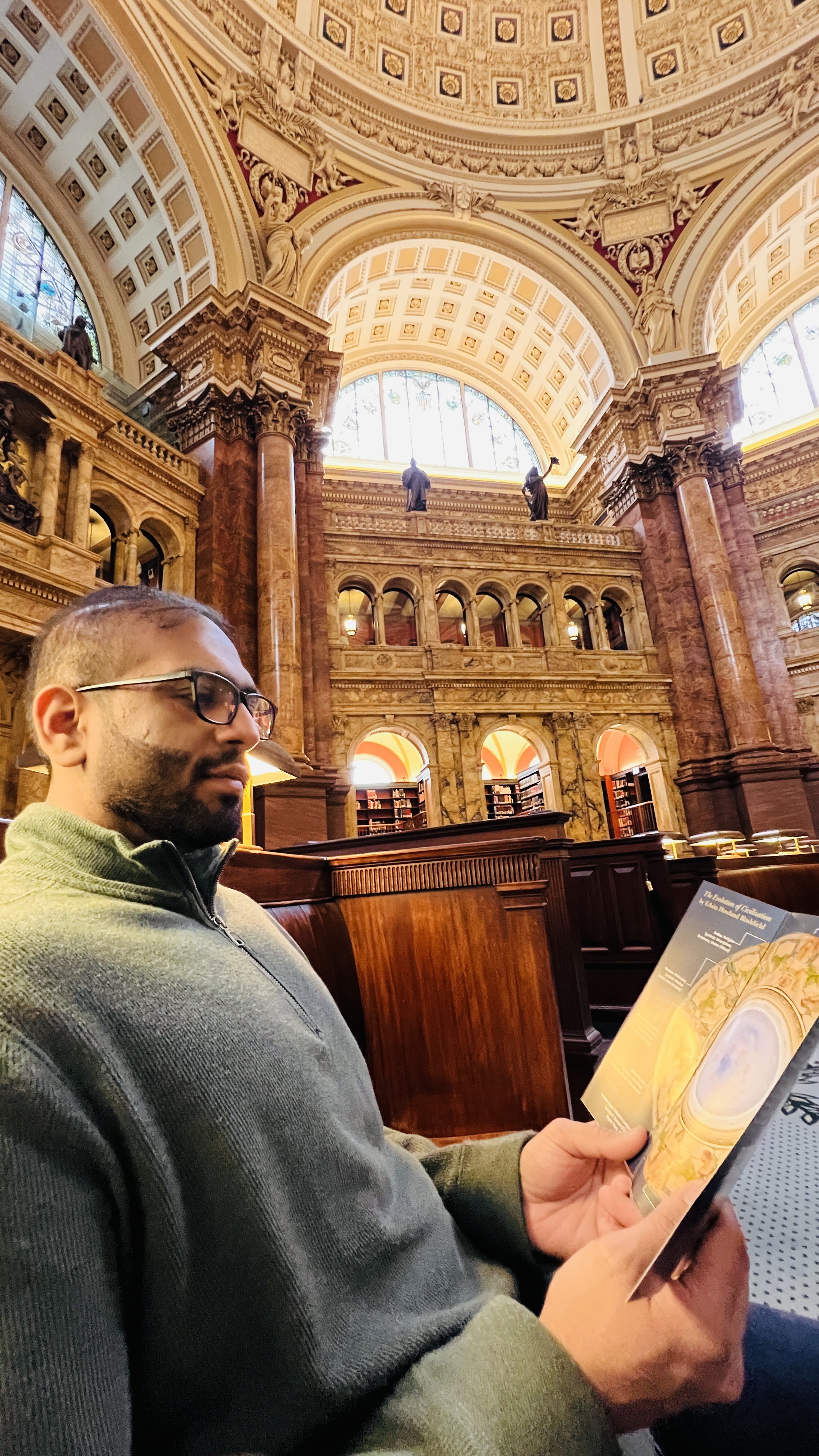
About Me
Lead Software Engineer and engineering leader with over seven years of experience, currently operating at the intersection of financial technology, digital identity, and fraud prevention at LSEG Risk Intelligence.
My technical foundation spans full-stack development across two distinct ecosystems — a React, Python, and Django background that evolved into a current focus on C#, .NET, and Azure at enterprise scale.
At this level, engineering leadership extends well beyond writing code. Delivering and evolving the Trusted Payments Platform at LSEG means operating across a genuinely wide surface: aligning with product and business stakeholders on roadmap and requirements, coordinating with infrastructure and SRE teams on platform reliability and scale, partnering with data engineering on pipeline integrity, and working closely with solutions consulting, implementations, and onboarding teams to ensure what gets built actually lands for the client.
Financial technology is not a forgiving environment. The clients we serve operate under strict regulatory and compliance frameworks where data accuracy, system availability, and audit trails are contractually and legally mandated, which means every architectural decision, every API contract, and every data handling choice carries weight that a consumer product simply does not. The real complexity lives in the translation layer between all of this — requirements arriving from multiple directions simultaneously, each carrying their own language, urgency, and definition of done.
Keeping that context intact across team boundaries, so that what the business needs, what the product specifies, what compliance mandates, and what engineering delivers are actually the same thing, is where most of the invisible work happens. It does not show up in a pull request. But it is the part that determines whether everything else adds up to something worth building.
Interests
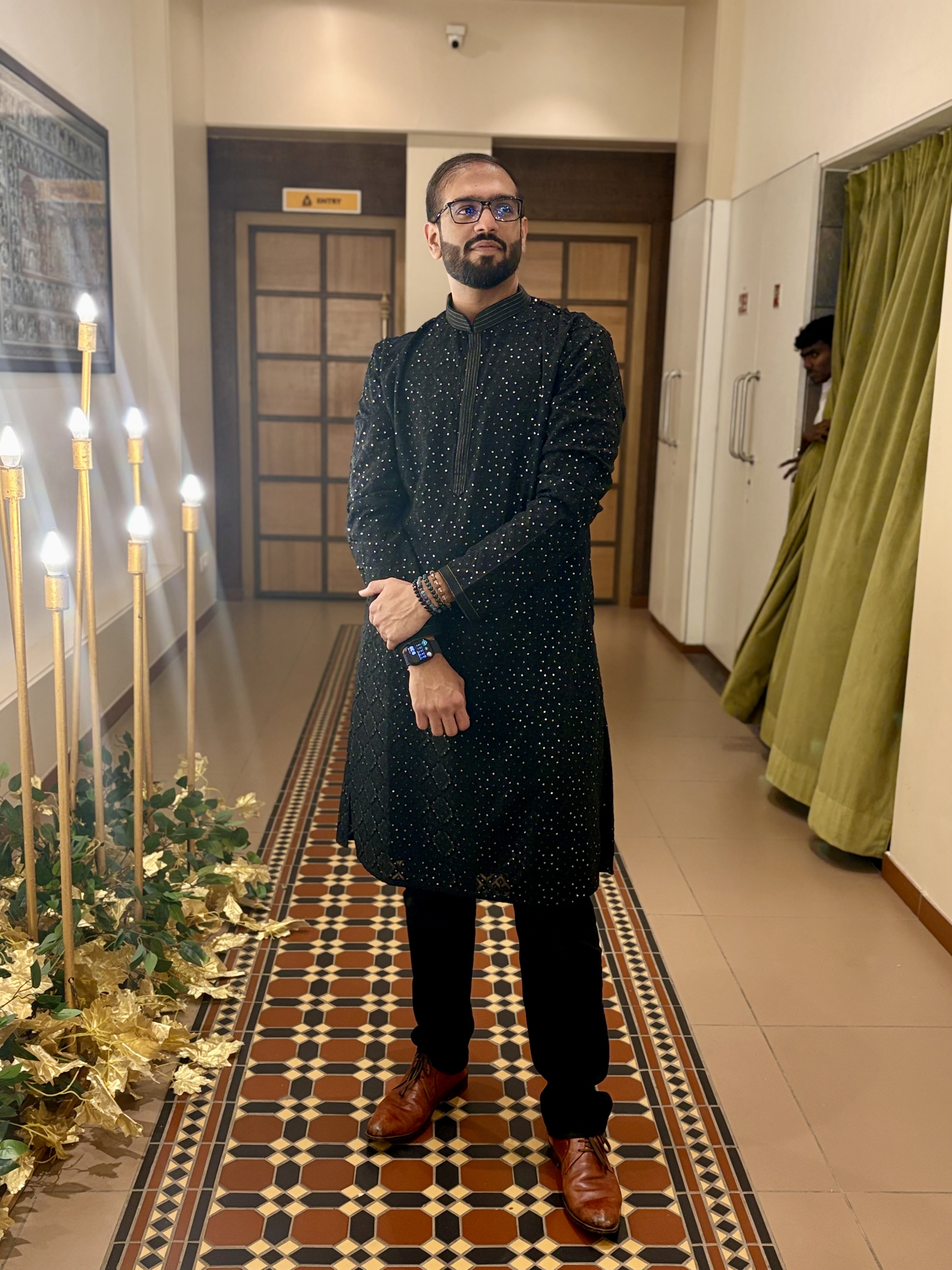
Outside of engineering, curiosity is probably the most accurate word for how I move through the world. I read broadly and without apology across investing, behavioral finance, history, psychology, philosophy, and whatever rabbit hole presents itself. In recent years I have used AI as a genuine thinking partner to go deep on topics that interest me: dissecting the frameworks of great capital allocators, exploring Vedic philosophy and ancient systems of thought, understanding naval history and the geopolitics behind it, tracing the architectural DNA of cities, stress-testing my own investment theses, and generally treating complex ideas as something worth taking seriously rather than skimming.
Music is a constant. I listen to rap, jazz, ghazals, hip-hop, qawwalis, and Indian classical with equal affection — nothing still beats the 90s and 2000s era. I play the tabla and flute, both disciplines that reward patience and precision, which probably says something about the rest of how I think.
One passion that has grown steadily over the last few years is capital allocation. I take it seriously, I have built a structured framework around it, and I invest in global equities with no geographical constraints. You can read more about how I think about that in the investing section.
You can find more about me at —